Circular Tent Canvas
Request Information
Please sign in first or register for free to contact Avans Hogeschool.
- story by Avans Hogeschool
Tent fabrics used for canopies and stages at events and festivals are made from cotton or petroleum-based plastics such as polyethylene, polyester, and nylon. Tent fabric often consists of a woven intermediate layer of polymer fibers to distribute mechanical loads, combined with a (double) film layer that makes the fabric windproof and resistant to weather and dirt. Festival organizers are increasingly seeking to use more sustainable and recyclable materials.
The company Tentech, which specializes in designing canopy structures using tent fabric, sees – together with SME partners HemCell and Impershield, both active in the field of biobased products – opportunities to develop new sustainable materials for tent fabrics that can be applied creatively across a wide range of uses. Avans Hogeschool supported the project partners in their ambition to develop a 100% biobased tent fabric. The creative industry often leads the way in developing innovative and sustainable products that later find applications in other sectors.
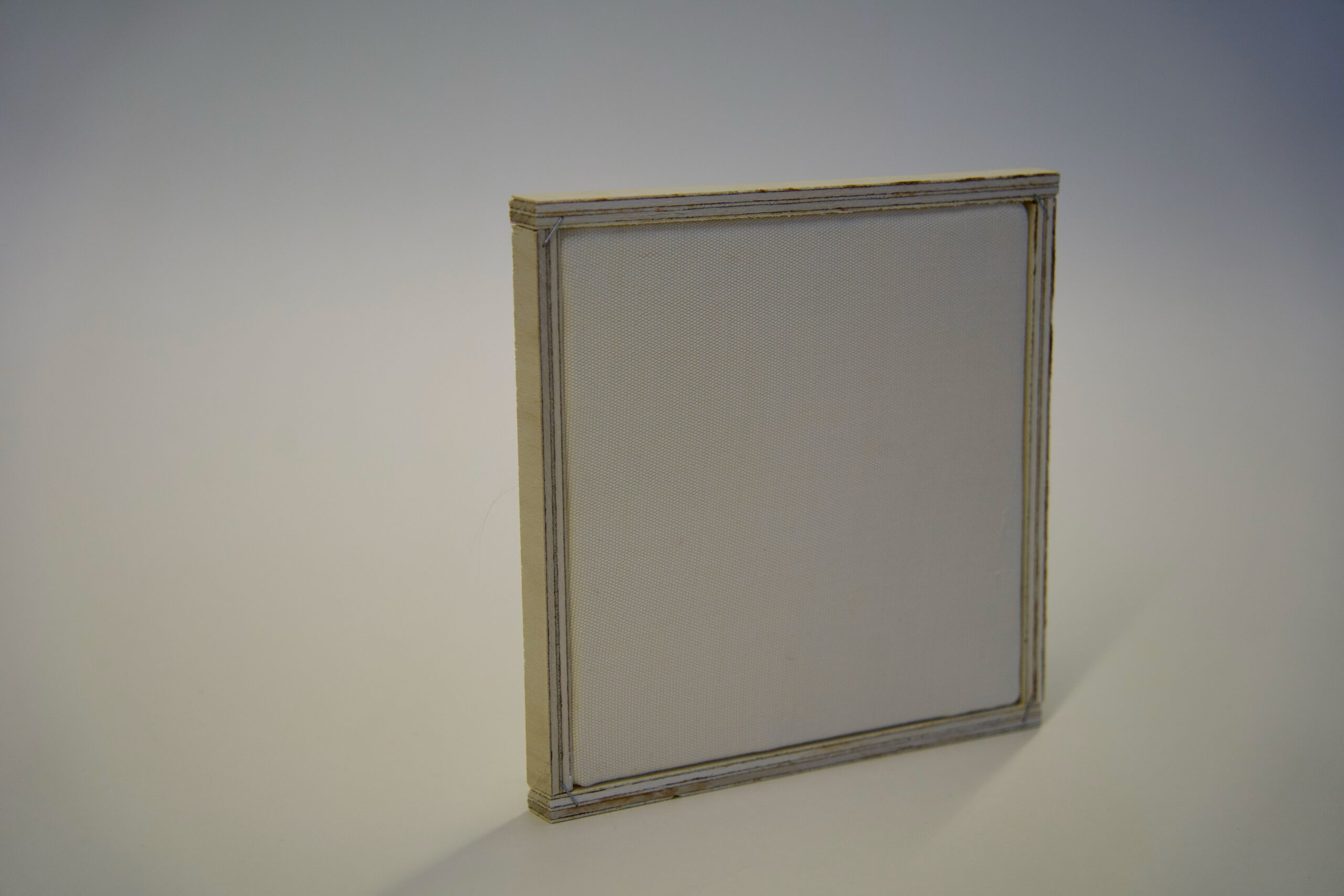
This project has resulted in the presented material, with a development unique in the Netherlands: a woven fabric composed of 50% cotton and 50% poly(lactic acid). It has been demonstrated that this material is suitable for molecular recycling through the recovery of building blocks. To better preserve the material properties over time, coating research was conducted into multiple types of natural copal resins, supplied by Impershield. It was shown that a combination of the natural resin offers a good option for conserving the tent fabric over a longer period. Thanks to the availability of a climate chamber, further research in this area is possible at Avans.
The project has clearly contributed to the creative sector’s growing need to work with biobased and circular products, and the presented material is a small insight into the possibilities.
Find out more here.